0
Your Cart

Can a Sewer Camera See Through Water?

Can a Sewer Camera See Through Water? (What Kiwi Plumbers Need to Know)

Short answer?
Yeah—up to a point.

Sewer cameras are built to work underwater. But whether you can actually see anything useful depends on what’s in that water.

Can a Sewer Camera See Through Water?

A sewer camera can operate fully submerged, no worries there.
But visibility is where things change:

  • Clear Water → Sharp, Detailed Footage
  • Cloudy Water → Usable, but not perfect
  • Dirty or Muddy Water → visibility drops off fast
  • Grease or Sludge → you’re pretty much guessing

So yes, it works in water, but it won’t cut through everything.

Can a Sewer Camera See Through Water?

Out on site, these are the things that make or break your inspection.

1. Water Clarity

If the water’s full of silt, rust, or debris, the camera light gets scattered. That’s when footage starts looking foggy.
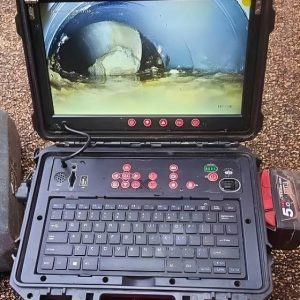
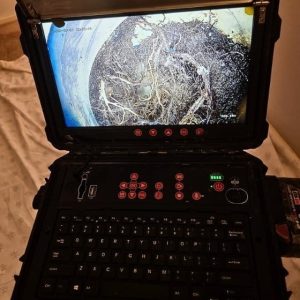
High-clarity drain inspection footage from the Razorback system.

2. Grease and Buildup

Grease is a killer. It sticks to pipe walls, and your lens. Once that happens, you’re not seeing much at all.
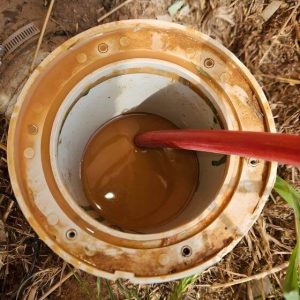
The camera cable going down the drain to see what’s happening inside.

3. Lighting Strength

Most drain cameras rely on built-in LEDs. If the light can’t reach through the water or around bends, your visibility drops with it.
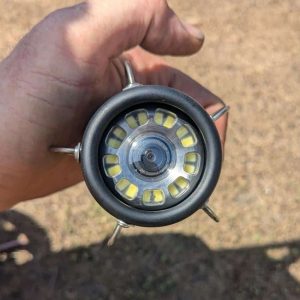
Razorback 39mm Self-levelling Drain Camera Head

4. Camera Quality

Not all cameras are created equal.
Better units give you:

  • Clearer Image Quality
  • Stronger Low-light Performance
  • More Reliable Results in Rough Conditions

Cheaper gear tends to fall apart the moment things get messy.

A clear image captured by a Razorback Drain Camera showing tree roots blocking a drain.

What Can You Still See in Dirty Water?

A sewer camera can operate fully submerged, no worries there.
But visibility is where things change:

  • Clear Water → Sharp, Detailed Footage
  • Cloudy Water → Usable, but not perfect
  • Dirty or Muddy Water → visibility drops off fast
  • Grease or Sludge → you’re pretty much guessing

So yes, it works in water, but it won’t cut through everything.

How Kiwi Plumbers Improve Visibility

Good operators don’t rely on luck, they set the job up properly.
Common approach:

  • Flush the line to clear loose debris
  • Use a hydro jetter to clean out grease and buildup
  • Run the camera again for a clearer inspection

Simple steps, but they make a massive difference on site.

When a Sewer Camera Won’t Work Properly

Let’s be real, there are limits.
You’ll struggle if:

  • The pipe is completely packed with sludge
  • There’s a full collapse
  • Roots have taken over the line
  • The pipe is under pressure (heavy rain or storm flow)

In those cases, the camera still helps you locate the problem, but visibility will be limited.

The Bottom Line

A sewer camera can absolutely work in water,but clarity depends on conditions.
If you want reliable results:

  • Use solid gear
  • Prep the line properly
  • Don’t expect clear footage in sludge-filled pipes

Used right, it’s one of the most valuable tools you’ve got on site.

Looking for a Drain Camera That Handles Real NZ Conditions?

Razorback drain cameras are built tough for day-to-day work, wet, dirty, and unpredictable.

If you want equipment that helps you find the issue fast and get the job sorted properly, you’re in the right place.

Call: 0800 708 108
Email: contact@razorbackdrains.co.nz

FAQs

Yes. Most professional cameras are fully waterproof and designed for use in submerged conditions.
Usually comes down to dirty water, grease on the lens, or limited lighting.
Not really. Thick sludge blocks visibility, but you can still locate the problem area.
If you can, definitely. Flushing or jetting the line improves visibility straight away.

Get the Right Drain Camera for the Job

Discover reliable drain cameras built for New Zealand conditions. Fast delivery, flexible finance, and live demos make it easy to get started.
SHARE: