-
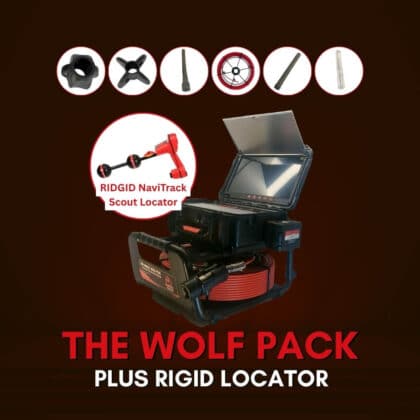
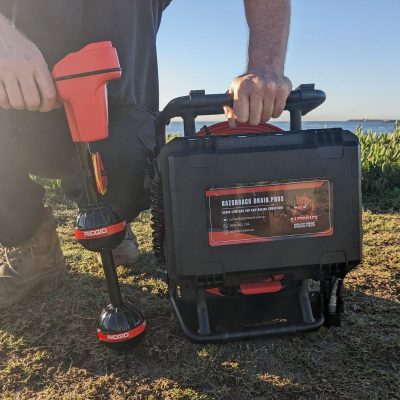
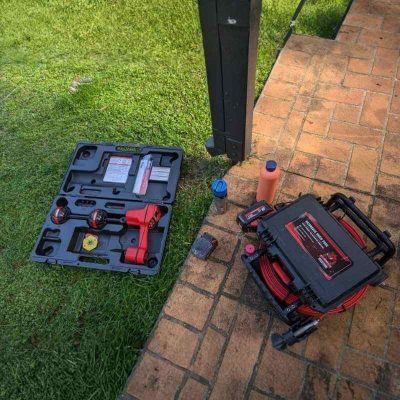
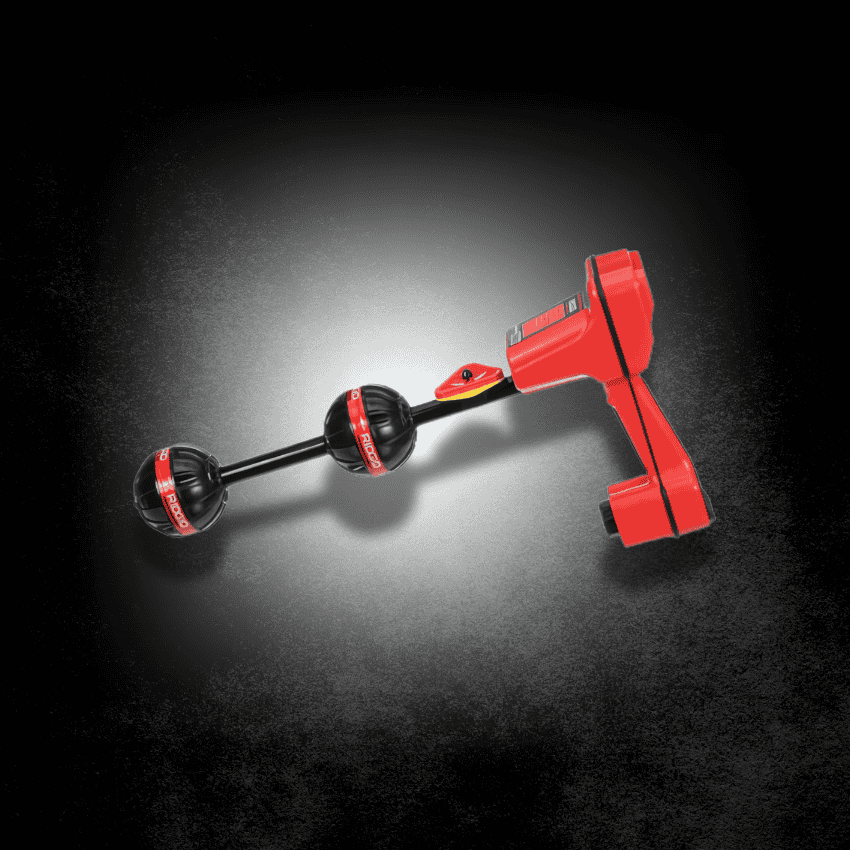
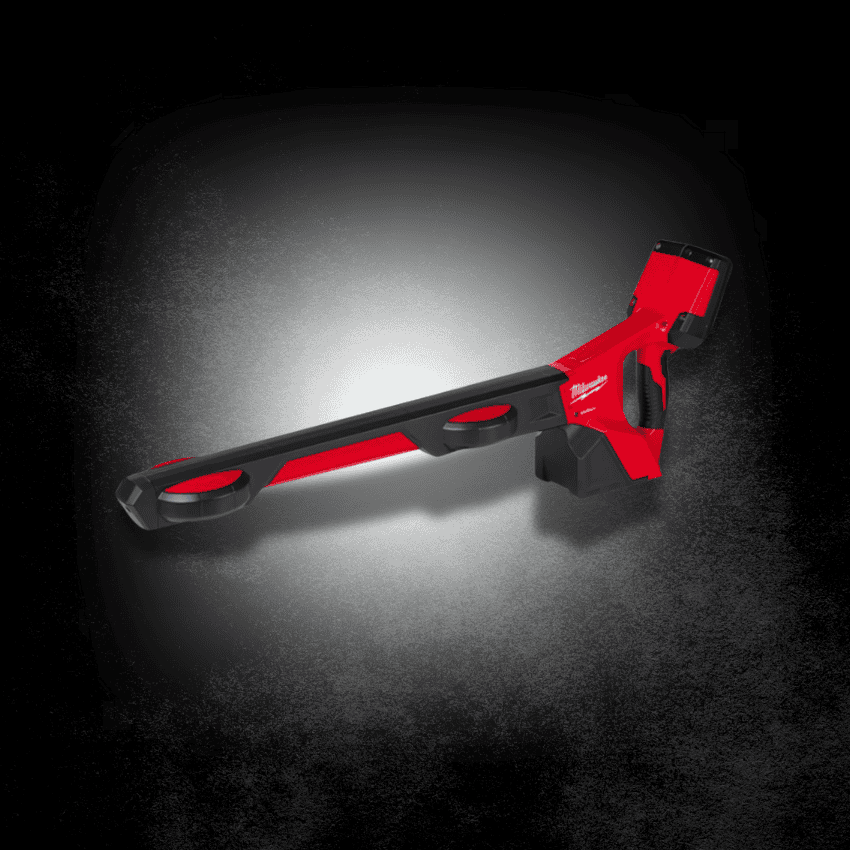
The Wolf Pack Plus Locator – Suitable for 90mm – 300mm Pipes
$12,063.00In Stock -
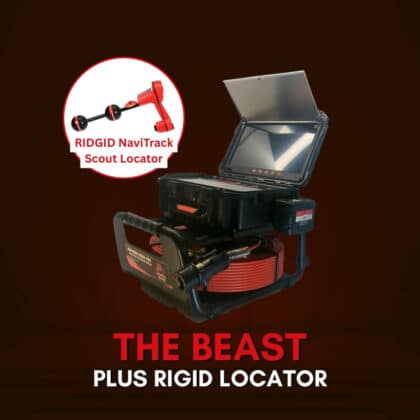
The Beast Plus Locator – Suitable for 100mm – 300mm Pipe
$11,013.00In Stock -
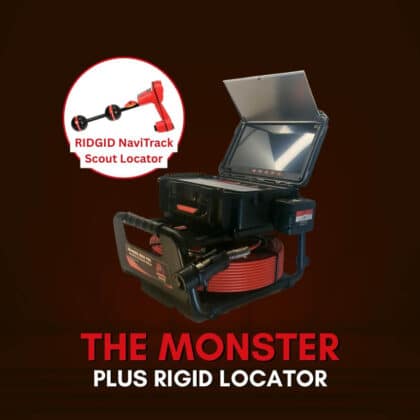
The Monster Plus Locator – (Suitable for 90mm – 150mm Pipe)
$10,993.00In Stock
Whether you’re chasing stormwater under a slab or trying to avoid costly guesswork on a sewer dig-up, a pipeline locator isn’t just another gadget, it’s your eyes underground.
With so many models and features out there, it pays to know what actually matters on real job sites. Here’s what Kiwi plumbers, drainlayers, and civil crews should look for in a locator that delivers in the field, not just on paper.
If it’s not accurate, it’s not much use.
Look for a locator that:
The goal is confidence before you start digging, not “close enough”.
Most drain camera sondes run on common frequencies like 512Hz (and sometimes others depending on the setup). Your locator must match the frequency your gear is using, otherwise you’re basically guessing.
Check that your locator is compatible with:
Don’t rely on “works with most systems.” Make sure it works with your system.
These tools don’t live in clean vans. They get dragged through mud, dropped on driveways, and used in the rain.
Your locator should be:
If you have to baby it, it won’t last long in this line of work.
Nothing slows a job down like flat batteries halfway through a locate.
Look for:
Not every site has easy access to power, so reliability matters.
After hours in a trench or crawlspace, no one wants to scroll through complicated menus.
A good locator should offer:
It should make the job easier, not add another layer of frustration.
The right locator doesn’t just find pipes, it helps you:
In many cases, it earns its keep in just a handful of jobs by reducing time and rework.
Razorback supports plumbers and drainlayers across New Zealand with tough, reliable drain camera and locating gear, plus proper local backup when you need it.
Call: 0800 708 108
Email: contact@razorbackdrains.co.nz
Built for real job sites. Easy to use. Designed to help you find problems faster and get the job done right the first time.